
A single unpermitted acre of disturbed Texas soil triggers fines of thirty-two thousand dollars daily. Builders must know the permit steps to keep projects on time and avoid shutdowns.
Talk to our stormwater permitting team today to get your project properly permitted before breaking ground.
Learning the full permitting lifecycle can feel overwhelming, but breaking down each step makes it manageable. From determining when coverage is needed to submitting the final Notice of Termination, every stage has specific requirements you must follow.
NPDES Construction General Permit requirements Texas: What Is the NPDES Construction General Permit in Texas?
The NPDES Construction General Permit requirements Texas apply to any builder disturbing one or more acres of soil. According to the U.S. Environmental Protection Agency, this rule also covers smaller sites that are part of a larger plan disturbing one acre or more. To meet these rules, you must develop a Stormwater Pollution Prevention Plan before any earth is moved. File a Notice of Intent for larger sites, run regular inspections every seven days, and submit a Notice of Termination when the job is done. Following this full permit process keeps your project fully legal and prevents fines from the state.
Legal basis and Clean Water Act authority
The National Pollutant Discharge Elimination System (NPDES) is a federal program created by the Clean Water Act. In Texas, the U.S. Environmental Protection Agency (EPA) lets the Texas Commission on Environmental Quality (TCEQ) manage this program through the Texas Pollutant Discharge Elimination System (TPDES). The state writes the rules for builders in a general permit known as TXR150000. Under EPA rules, NPDES permit coverage is needed for construction activities that disturb one acre or more of land. This permit ensures that sediment and other pollutants do not wash away from your project. If your site meets this limit, you must get Texas stormwater permit services to set up your plan.
Distinction between large and small construction
The state groups these projects into two sizes based on how much land you disturb. Large construction projects disturb five or more acres of land. They also include small sites that are part of a larger common plan that disturbs five or more acres. These large projects have more complex filing requirements.
Small construction projects disturb at least one acre but less than five acres. This split affects your fees and the forms you must file with the state. Both large and small sites must comply with the same basic water quality standards.
No matter the project size, someone must be in charge of compliance. Under federal rules, operators are responsible for getting permit coverage. This includes anyone with operational control over construction plans or day-to-day work. If multiple partners share control, each operator may need to get permit coverage.
| Project Type | Acres Disturbed | NOI Required | Filing Fee | Site Notice Required |
|---|---|---|---|---|
| Small construction | 1 to less than 5 acres | No | None | Yes |
| Large construction | 5 acres or more | Yes | 25 | Yes |
Effective dates and upcoming 2028 renewal
The current Texas general permit, TXR150000, became effective on March 5, 2023 and expires on March 5, 2028. The TCEQ has already started the public process to renew this permit. To start this renewal, the TCEQ held a stakeholder meeting on June 9, 2026, with a two-week comment period ending on June 23, 2026. The state will use this feedback to shape the new 2028 permit rules. To get permit coverage in the meantime, you must understand the Texas SWPPP requirements that apply to your site.
When Do You Need Construction General Permit Coverage?
Determining whether your project needs permit coverage is the first and most important step. In short, if your construction activities disturb one or more acres of land, you must obtain coverage under the Texas Construction General Permit before breaking ground.
Primary land disturbance triggers
If you plan to clear or grade land in Texas, you must know the rules for stormwater runoff. Under federal law, NPDES permit coverage is required for construction activities that disturb one acre or more of land. This rule applies to any work that clears, grades, or digs up soil. Even minor tasks like staging areas or dirt stockpiles count toward this total. If your project exposes one acre or more, you must seek permit coverage before any machines arrive on your site. You can find out more about Texas stormwater permit services to see how these rules apply to your project.
The common plan of development rule
Sometimes, your specific site is small but still needs coverage. Coverage is required for sites under one acre if they are part of a common plan of development that will ultimately disturb one or more acres. This common plan could be a housing subdivision, a business park, or a retail block. Even if you only build on a tiny quarter-acre lot, you fall under the main plan. You cannot bypass the rules by splitting a large project into smaller phases. If the total area of the plan hits the one-acre mark, every lot builder must get permit coverage. Working without a permit on these sites can lead to costly stop-work orders.
Defining the permitted operator
Who must apply for this coverage? Under federal rules, operators are responsible for getting permit coverage if they have operational control over construction plans or day-to-day site activities. This includes the owner who hires the crews, as well as the main contractor who manages the site. If you have the power to change plans or direct daily tasks, you are an operator. Texas splits these operators into two groups based on project size. Large sites must file a formal Notice of Intent, while small sites may only need to post a site notice. Standalone sites under one acre that do not discharge stormwater to surface waters are exempt.
Developing Your SWPPP: The First Step Before You File
Your Stormwater Pollution Prevention Plan (SWPPP or SWP3) is the foundation of your permit compliance. You must write and finalize this plan before you can file your Notice of Intent. The plan documents exactly how you will control erosion, manage stormwater runoff, and prevent pollution throughout your project.
Under the NPDES Construction General Permit requirements Texas builders must have this plan ready first. Having this plan on site ensures you follow state stormwater laws from day one.
Key parts of your stormwater plan
Your plan needs site details and a clear site map. This map shows work borders, cleared soil areas, and drainage patterns. It also marks where you store building supplies and where water leaves your site. Finally, you must show where you will place best management practices like silt fences and keep these maps on site.
- Site map: Displays work borders, slopes, and water flow paths.
- Erosion controls: Lists devices like fabric fences, hay bales, and short-term seeding.
- Waste control: Outlines safe areas for concrete washouts and fuel storage.
- Inspection schedule: Defines how often you will check your BMPs and log findings.
Erosion controls and pollution prevention
Your SWPPP must detail how you will keep soil in place and protect local waters. You must set up robust erosion and sediment controls to trap dirt before it leaves the site. It is also vital to manage concrete washouts, trash, and fuel storage on site. Under the rules, site operators must have day-to-day control of these tasks.
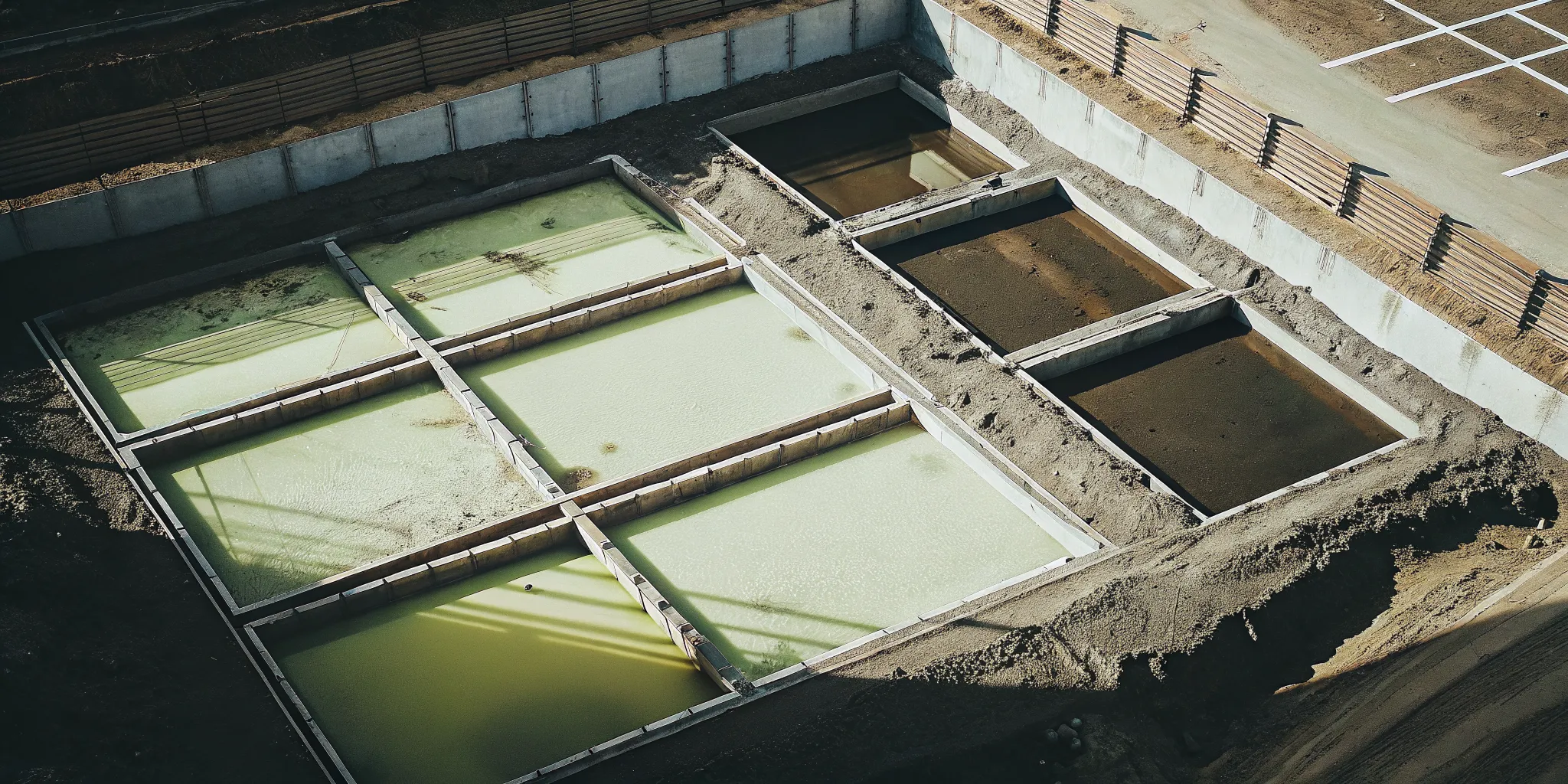
Using a solid SWPPP compliance guide helps you select the right controls for your land. You must draft a clear inspection schedule and outline how to fix any issues. Every fix you make must be written down in your records. These logs serve as direct proof that you are following the law.
Why the plan must change
A site map is not static. Your stormwater plan is a living document that must change as your project grows. If you move dirt, build new structures, or change your BMPs, you must update the plan right away. Keeping an outdated plan on site can lead to big fines during state audits.
Meeting all Texas SWPPP requirements can feel tough. But you do not have to handle this task alone. Our team at Projexiv Environmental can help you write your plan. We deliver a custom plan in under five days to keep your construction project on schedule.
Filing Your NOI Through TCEQ’s STEERS System
The Notice of Intent is the formal application that puts your project on the state’s radar. For sites disturbing five or more acres, you must submit an NOI through the TCEQ’s online portal before construction begins. Small sites disturbing one to five acres only need a local site notice and a plan on hand, not a formal NOI.
To meet the NPDES Construction General Permit requirements Texas enforces, you must use the online TCEQ portal called STEERS, or the State of Texas Environmental Electronic Reporting System. Filing online is fast and helps you avoid project delays.
How to register and file
You can complete your filing in five steps. Make sure your team has the site plan ready before you start the online form.
- Register for STEERS. Create your own account on the TCEQ website and get a paper signer form to sign and mail in.
- Fill out the NOI. Enter your site name, location, total acreage, receiving waters, and confirm your plan is ready.
- Pay the filing fee. Submit the online payment of $225 through the secure portal to complete your filing.
- Post the site notice. Print and post the construction site notice in a clear spot at your site before you move any soil.
- Wait for coverage. Filing online grants you instant coverage, while paper forms take seven days after the postmark date.
Coverage timing and posting
Posting your notice is just as critical as filing the form itself. The TCEQ requires you to display this form near the main entrance of your site. It must remain visible to the public at all times until your work is fully done.
Filing online through STEERS is the best path for most teams. Doing so gives you instant coverage once you pay. If you choose to mail a paper form, you must wait seven days after the postmark date. Starting work without active coverage can lead to severe state fines.
Updating your permit
During construction, some project details may change. You might alter the size of your disturbed area or change the site operator. If this happens, you must submit a Notice of Change within 14 days of the shift.
Keeping your permit data current is a key part of your Texas SWPPP requirements. Failing to update your file can halt your project or cause a failed audit. With STEERS, you can make these changes quickly and keep your site in full compliance.
Site Inspection Requirements Under the CGP
Once construction begins, regular site inspections are your main tool for staying in compliance. Texas law requires you to inspect your erosion controls on a recurring schedule and document every visit with detailed records.
To meet the NPDES Construction General Permit requirements Texas mandates, you must keep up with these field checks to prove that your pollution controls work in real time.
Standard inspection schedules
Texas rules give you two choices for your inspection cadence. The first option is to inspect your site every seven days. The second option is to inspect every 14 days, plus within 24 hours of any rain event that reaches half an inch or more. Most crews use the seven-day schedule because it is simpler to track.
Critical areas to examine
During each check, you cannot just look around the main gate. You must walk the entire active footprint to see how your barriers hold up. An inspector must check these key areas:
- Erosion and sediment controls, such as silt fences, inlet protections, and sediment basins.
- All disturbed areas where soil is bare and exposed to wind or water.
- Material storage areas where fuel, chemicals, or concrete are kept on site.
- Discharge points where stormwater leaves your site boundary.
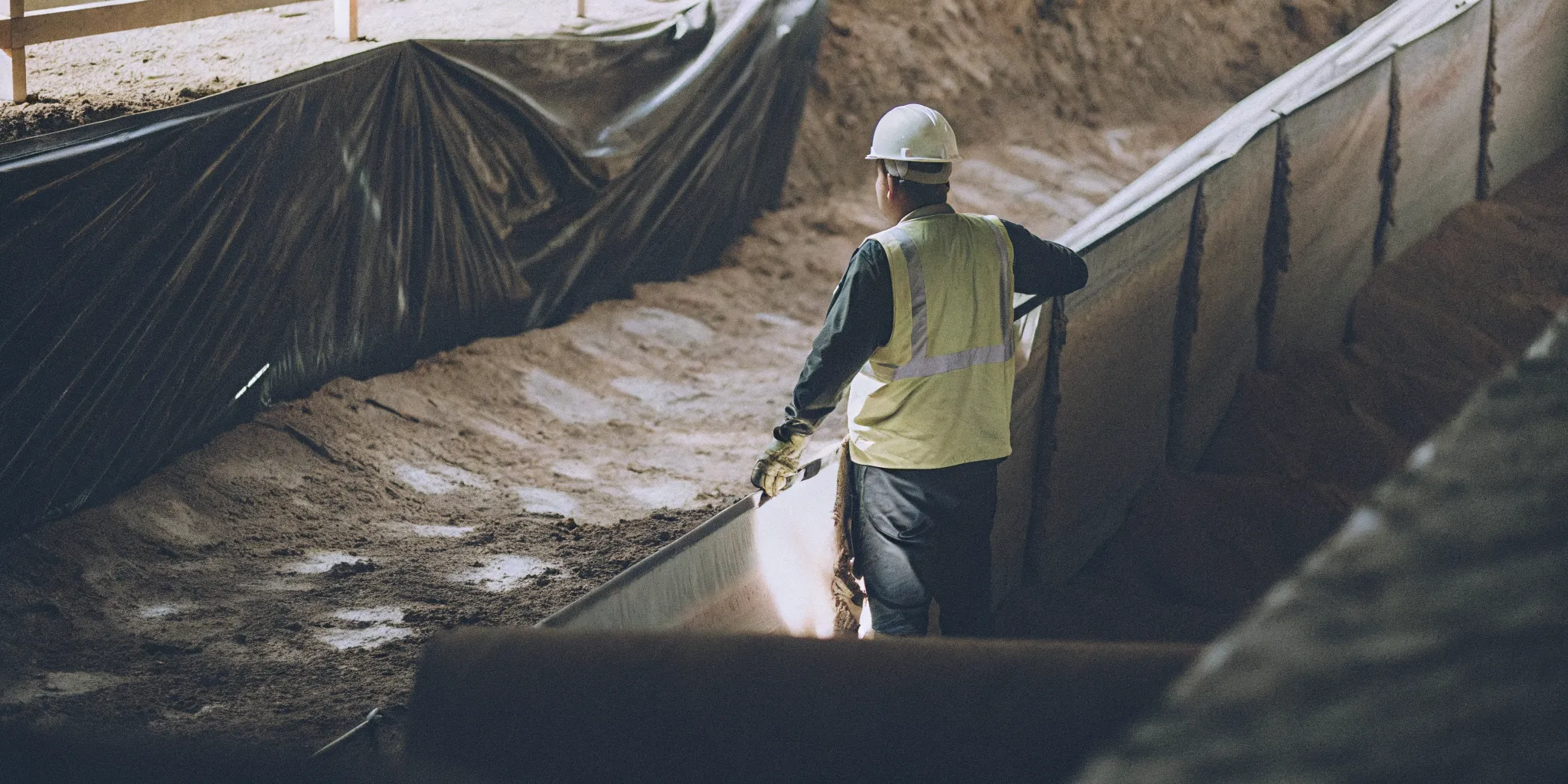
You should use a detailed SWPPP inspection checklist to guide these checks. When barriers fail or wear out, you must fix them. Regular upkeep stops small leaks from turning into costly fines.
Required logs and documentation
You must back up your field work with solid paperwork. State inspectors will ask to see your logs when they visit your site. If a check is not in your books, then in their eyes, it did not happen.
When you find a broken barrier, you must write a corrective action record. This file must show what failed, what you did to fix it, and when the repair was complete. The state tells you to fix most issues within seven days of finding them.
Every report must include the date of the check, the inspector’s name, and what they found. You also need to keep a rain log with local weather data. To protect your project, you should take clear site photos during each walk. Following a clear TCEQ stormwater compliance guide ensures you never miss a step in your logs.
Many project managers fall into easy traps that lead to fines. One common mistake is failing to write down checks. Another issue is putting up barriers late, long after dirt work has started. Lastly, many crews use old site maps that do not match the current phase of work. Keeping your maps up to date is needed to prove your compliance.
Terminating Your CGP Coverage: The Notice of Termination
Your work on the job site does not end when you stop building. You must formally close out your permit once the project reaches final stabilization. Leaving a permit open can expose your business to continued liability and unnecessary fees.
You can get help with this step through our Texas stormwater compliance services.
When to submit the notice
You must file the Notice of Termination within 30 days after you reach final stabilization. Do this online through the STEERS system. You can find the forms and rules on the TCEQ construction page. If a new operator takes over the site, you must also file a new form. Filing on time keeps your project in compliance.
Defining final stabilization
You cannot just stop work and file your papers. First, you must establish ground cover because the state requires final stabilization. This plant cover must be at least 70 percent of the original ground cover before you began work. It must match the wild growth from before you cleared the land. If plants will not grow, you can pave the ground with concrete or lay down heavy rock. These permanent surfaces must protect all bare areas. These criteria help you meet the NPDES Construction General Permit requirements Texas builders must follow.
Maintain close-out records
You must keep all records of your site close-out. Do not throw away your logs. You need copies of your final site inspection reports and photos that show the ground is stable. These photos prove you met the state rules. Write down when you removed your silt fences and other runoff controls. Save the records of all BMP removal work. Store these files in a safe place for three years because the state can audit your project.
Frequently Asked Questions
What triggers the NPDES Construction General Permit requirements in Texas?
In Texas, you need permit coverage if your construction project disturbs one acre or more of land. You also need coverage for smaller sites if they are part of a larger common plan of development that will later disturb one or more acres. According to the EPA, this permit is required for stormwater discharges from active construction sites.
How much does a Texas Construction General Permit cost?
Filing a Notice of Intent electronically through the TCEQ STEERS platform costs $225. This fee must be paid before you can get provisional permit coverage. Small sites between one and five acres do not need to file this notice or pay the fee. However, you must still write and set up a compliant site pollution plan before work starts.
When must a Texas construction site update its stormwater plan?
You must update your plan if there is a change in design, construction, or work that impacts your risk of polluting stormwater. You should also revise the document if site inspections find that the current controls are not working. Keeping this plan current is a legal requirement for all operators on the site.
How often do you need to inspect a Texas construction site?
You must inspect all stormwater controls at least once every seven days. Alternatively, you can inspect them every 14 days and within 24 hours after any rain of a half-inch or more. You must log these checks and keep the records on the job site for inspectors to view.
How do you terminate a Texas Construction General Permit?
You can end your permit coverage by filing a Notice of Termination through the online STEERS system. You must do this within 30 days after you reach final site stabilization. Final stabilization means that all soil-disturbing work is done and uniform plant cover or equivalent permanent control is in place.
Ready to start your Texas construction project?
Failing to get your stormwater permit before breaking ground can lead to heavy state fines and costly work stops. These sudden delays push back your building schedule and increase your daily costs. When you secure your permit coverage early, you keep your crew on the job and protect your budget. Our local team handles the whole process for you by drafting your plan in under five days. We make sure your filing is complete and sent through the state portal so you avoid mistakes. This fast turnaround helps you meet all state rules without losing precious time on site. We keep your site compliant so you can build with peace of mind.
Ready to start? Call (713) 714-0413 to schedule a free consultation with our stormwater permitting specialists.