
A single missing rainfall log can lead to thousands of dollars in fines for a Texas construction site. Maintaining an updated SWPPP inspection checklist helps operators manage Best Management Practices and documentation before a regulator arrives.
Need help with your SWPPP inspections? Call Projexiv at (713) 714-0413 to schedule a site visit.
Preparing for an audit requires a clear understanding of both state and federal rules. Most site managers benefit from a standardized SWPPP inspection checklist for construction sites to maintain order. This guide walks through the essential components of site-readiness. The path begins with inspection records and field checks.
SWPPP inspection checklist for construction sites
A SWPPP inspection checklist helps construction teams confirm that site records, BMPs, rainfall logs, corrective actions, and permit documents are inspection-ready. In Texas and Alabama, it gives operators a repeatable way to find stormwater issues early, document repairs, and reduce compliance risk before a regulator visits.
Site managers must stay on top of site rules to keep projects on track. If your site covers one acre or more, you must follow a Stormwater Pollution Prevention Plan (SWPPP). This plan is a live doc that changes as your site grows. Using a strong SWPPP inspection checklist helps you find and fix risks fast. This keeps your project safe and avoids big fines from the EPA. Projexiv helps sites in Texas and Alabama stay ready for any check with turnkey help.
Audit your site records
Before you walk the site, you should check your office files. Much of your site success comes down to clear notes and logs. Your records must stay on-site and be easy to find at all times. You will need to show your rain logs, site map, and permit papers to any inspector who visits. Every site map must show where your tools are. These tools are often called Best Management Practices (BMPs). They stop soil and trash from leaving the site. If you change a silt fence or move a drain, you must update the map right away. The EPA offers NPDES templates to help you track these small changes. Keeping your logs current is a key part of a TCEQ stormwater compliance guide for Texas projects.
Check your physical controls
Next, you must walk the site to look at your BMPs. Focus on the low edges first. Check silt fences for gaps, tears, or sags. Dirt should not pile up more than halfway up the height of the fence. If it does, you must clear the soil out to keep the fence working. Look at your storm drain inlets. These need rock bags or special covers to filter water before it enters the system. Do not use hay bales or loose cloth under grates. These often fail or clog the pipes. Also, check your soil piles. If you do not touch a soil pile for 14 days, you must cover it. This often means you use straw or seed it with grass to stop wind and rain from moving the dirt.
Monitor your discharge points
The outfall is the spot where water leaves your site. You must check these areas for signs of mud, oil, or trash. If the water looks dirty, your BMPs are not doing their job. You may need to add more rock or grass to slow the water down. Check that all pipe outlets have stone or mats to stop soil wear. This is a must to control water flow. This step is a firm rule for Alabama construction stormwater permit requirements. If many crews work on one site, they must work with each other to keep these spots clean.
| Focus Area | Paperwork & Records | Active BMP & Field Checks |
|---|---|---|
| Site Documentation | Keep the SWPPP and site map up-to-date. | Verify BMPs match current site map. |
| BMP Conditions | Update maintenance logs for all tools. | Fix silt fences with gaps or sags. |
| Soil Stabilization | Log all dates when soil work stops. | Check for grass or straw on old piles. |
| Inlet Protection | Note which drains have rock or bags. | Clear out silt and trash near inlets. |
| Outfall Review | List all active discharge points. | Check for mud or oil at outfall spots. |
| Corrective Actions | Write down every fix in a log book. | Check that past repairs still hold up. |
Fix issues and track progress
If you find a problem during your walk, you must record it in your log. A “no” on your checklist means you need to take action. Note what was wrong and which crew will fix it. Most permits give you a set time to make these repairs. This is often within seven days. For more complex issues, you may need a environmental compliance audit checklist to look deeper. You should also note the date you finished each fix. This shows the EPA that you are taking care of the land. Most sites need a walk-through every seven days. If a big rain hits, you must check the site within 24 hours. This keeps you ready for any state or federal check. Projexiv can help you set up these plans to keep your site in the clear.
What should be included in a SWPPP inspection checklist?
A good SWPPP inspection checklist covers two main parts. First, it looks at your paperwork to ensure your project stays in line with the law. Second, it checks the actual tools and methods used on the site to stop dirt and trash from washing away. Every site is unique, but the basics of a checklist remain the same for most jobs in Texas and Alabama.
Basic Paperwork and Site Logs
Inspectors must first check that legal papers are on-site and ready to review. This starts with proof of permit coverage, a current plan, and a site map that shows drainage patterns, BMP locations, material storage, fuel areas, and discharge points. If the site has changed, the map should show the change.
Rainfall logs are also a big part of the SWPPP inspection checklist. Many permits, like the EPA Construction General Permit, require added attention after qualifying rain events. Keep past reports, photos, and corrective-action notes together so the file tells a complete story.
Field Tools and Site Edges
Once the papers are set, the checklist turns to the site itself. Look at edge controls like silt fences or fiber rolls, especially down-gradient perimeters. If they are torn, sagging, undermined, or overloaded with sediment, note the location and repair needed. Also check drain and culvert inlet protection to confirm it is installed and maintained correctly.
Use your SWPPP inspection checklist to verify these key field items:
- Perimeter controls like silt fences or fiber rolls are installed right.
- Inlet protection for drains and culverts is in place.
- Soil stockpiles have covers or grass if they are not in use.
- Construction exits have rock to stop mud tracking.
Safe site exits help stop trucks from tracking mud onto public roads. Your checklist should also include dirt piles and open areas where stabilization may be required. This keeps your site clean and supports SWPPP compliance for Texas construction sites and Alabama projects.
Waste Storage and Site Fixes
The last part of your checklist should focus on site cleanup and waste. Check that trash stays in bins, fuel and paint storage areas have spill controls, and non-stormwater flows are not reaching drains, ditches, or creeks.
Every “No” on your checklist needs a written fix. Your report should state what is wrong, what needs to be done, who owns it, and when the work will end. If you find a new path for water, update your site map before the next inspection.
How often should SWPPP inspections be conducted?
A set plan for checks helps keep your site in line with the law. Most sites follow a base schedule set by their permit. These checks make sure your silt fences and other tools still work well. If you skip a check, you might face big fines. Your SWPPP inspection checklist will guide you through each part of the site to find problems early.
Standard inspection cycles
Most site plans follow one of two main paths. The first path is to check the site at least once every seven days. This weekly cycle is easy for teams to track. The second path is to check the site every 14 days. If you choose this path, you must also check the site after big rain events. Most EPA rules suggest these two options as the base for most work.
Some sites have special rules that change these times. For example, if your site is near a protected river, you may need to check it more often. This is common when a site is within one mile of a dirty water body. Always check your site plan to see if you have these extra needs. In these cases, a daily check might be part of your plan to protect the local water.
Rain and storm event checks
Big storms can wash away dirt and hurt your site tools. This is why many permits need a check within 24 hours of a large rain. A “large rain” is half an inch or more. You should have a rain gauge on-site to track how much water falls. Keep a log of these rain amounts to show the state that you follow the rules. This log is a key part of your site records.
A good site inspection should look at all areas where water leaves the project. You must check each storm drain and exit point. If a silt fence has fallen, you must fix it fast. Most permits give you a short time to finish these repairs. Usually, you must start the work right away. Clear notes on your SWPPP inspection checklist will help you prove that you did the work on time.
State rules in Texas and Alabama
Rules can change depending on where you work. In Texas, you must follow the TXR150000 permit. This permit has clear steps for SWPPP compliance for Texas construction sites that every builder must know. You must keep your site map and logs up to date. If the site changes, you must update your plan to match the new work.
Alabama has its own rules through the state group ADEM. The state needs a special plan known as a CBMPP. This plan must be signed by a skilled pro. You can learn more about these needs in our Alabama construction stormwater permit requirements guide. These rules help protect the local land and water from site waste. Following these steps keeps your project on track and out of trouble.
Texas and Alabama inspection notes
State laws play a big role in how you manage water runoff. In the South, rules can vary based on which state agency has power. If you run a job site in Texas or Alabama, you need to know these local permits well.
A strong SWPPP inspection checklist helps you stay ready for a surprise visit from state officials. It also keeps your project on track and helps you avoid high fines. This keeps your work moving and your budget safe.
Texas site needs
Most Texas jobs must follow the TXR150000 permit. This is the main rule for builders in the state. It is run by the Texas Commission on Environmental Quality (TCEQ). To keep your site in good shape, you must check all your silt fences, drains, discharge points, and active work zones often.
Staying on top of SWPPP compliance for Texas construction sites means you must watch the weather and keep inspection records current. Many sites use a weekly inspection option, while others use a 14-day schedule plus a rain-event inspection when the applicable permit allows it.
The EPA provides tools to help operators document inspections, corrective actions, and SWPPP updates. In Texas, your site map should match current conditions. If you move a silt fence, add inlet protection, change a discharge point, or adjust phasing, update the plan before the next inspection file review.
Alabama state rules
If you work in Alabama, you must follow ADEM permit rules. Alabama projects may use a Construction Best Management Practices Plan, or CBMPP, certified by a Qualified Credentialed Professional. Following the Alabama construction stormwater permit requirements keeps the inspection file tied to the correct state process.
Your Alabama checklist should focus on the condition of perimeter controls, drain protection, material storage, spill prevention, and records. Keep your plan and inspection logs on the job site or readily available. If crews do not know where the file is or how to use it, the plan will not help when an inspector asks for proof.
Shared job site rules
No matter where you are, some rules stay the same. If you have many teams on one site, you must work together. Each team is in charge of its own area, but you must all follow the same plan.
Meet often to talk about water flow, site phasing, and BMP repairs. This helps you catch small problems before they grow. It also makes sure one crew does not remove, block, or damage the controls another crew needs for compliance.
How to document corrective actions after an inspection
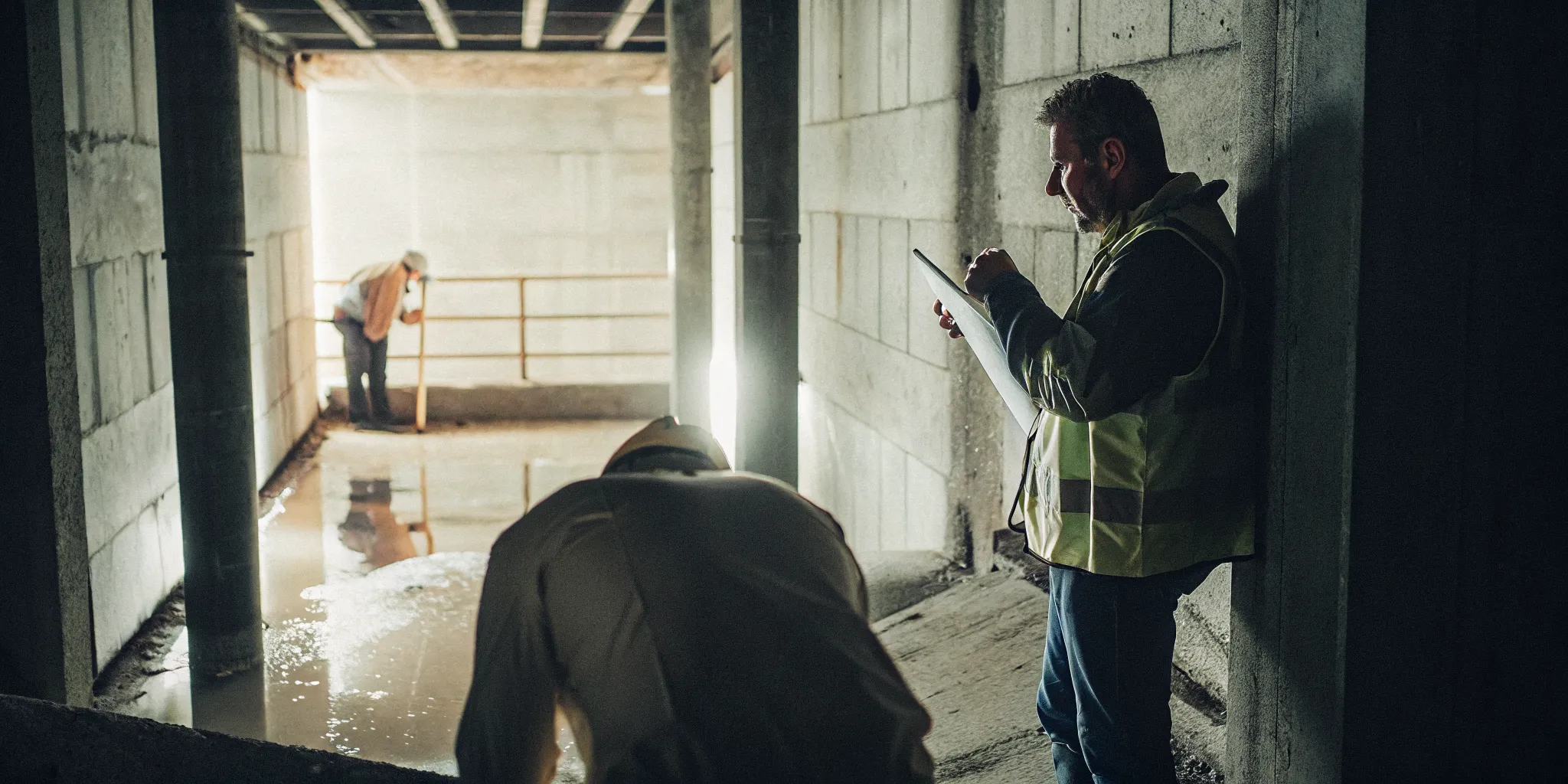
Finding a problem during a site walk is only the first part of the job. To keep your project in compliance, you must record how you fix each issue. Federal rules require site operators to document any missing info or failures found on a SWPPP inspection checklist. This record proves that you are active in managing risk and meeting permit goals.
Note the issue and location
When you spot a broken silt fence or a messy inlet, record the exact spot right away. Use your site map to name the area so others can find it. You should also note what caused the problem. For example, did a truck run over a curb filter, or did heavy rain wash out a slope? Clear notes help you find patterns and stop the same issue from happening again.
Fix the problem fast
Once you find a gap in your site controls, you must act to stop any sediment from leaving the site. Most permits require you to set a target date for full repairs. This helps keep the team on task and shows regulators that you have a plan. In both Texas and Alabama, staying on top of these dates is a key part of stormwater management practices.
- Identify the issue: Record the specific type of failure, such as sediment tracking or a torn filter sock, and its exact site location.
- Stabilize the area: Take quick steps to stop runoff while you wait for a full fix, such as placing sandbags or temporary covers.
- Assign an owner: Name the specific person or crew leader who will lead the repair to ensure clear accountability on site.
- Set a deadline: Give a clear date for when the fix must be done, usually within seven days of the initial inspection finding.
- Update your records: Add photos of the fix and update your logs to show the work is done and the site is back in compliance.
- Verify the work: Check the fix during your next site walk to make sure it holds up and meets the permit standards.
Keep records ready for review
All your logs, photos, and notes must stay available and up-to-date. Inspectors from the EPA or state agencies will ask to see these files first. If your records are messy or missing dates, you could face fines even if the site looks good. Keeping a clean paper trail shows that your team takes compliance seriously at every stage of the project.
Common inspection mistakes that create SWPPP risk
A strong SWPPP inspection checklist only works if you use it right. Many site managers in Texas and Alabama face fines not because they lack a plan, but because they fail to update it as work moves. Small gaps in data or upkeep can lead to big legal risks. Avoiding these common mistakes helps you stay in compliance. It also keeps your site safe from runoff issues.
Outdated plans and missing logs
One common error is using an old SWPPP after the site layout changes. Your plan must be a dynamic document that shows new phases of work. For example, SWPPP records must stay up-to-date as you move from grading to building. If you add a new discharge point or change how you manage waste, you must update the plan. This shows all recent site changes to inspectors.
Missing rainfall logs and event records also create risk. Most permits need you to inspect the site every 7 days or after a big rain. You must manage SWPPP compliance for Texas construction sites by tracking every storm over 0.5 inches. If an auditor finds a gap in your logs after a heavy storm, they may cite you. This holds true even if your BMPs are still in place.
Poor field implementation of BMPs
Damaged silt fences and open inlets are top causes for site fines. Silt fences must be set up on all down-hill edges to catch soil before it leaves the site. You must also document any required actions when you find a BMP that does not work. Many crews wait too long to fix a torn fence or a clogged filter. This allows mud to wash away during the next rain.
Muddy site exits also signal a lack of control to inspectors. A firm entrance helps stop trucks from tracking mud onto public roads. If the rock is buried in mud or the exit is too short, tracking will occur. This is a clear sign that your sediment tracking controls are failing. Keeping these areas clean and adding more rock when needed is key for passing a surprise check.
Unstable soil and stockpile issues
Leaving soil piles or large areas of open ground bare for too long is a major risk. You must stabilize any area where work has stopped for 14 days or more. This includes dirt piles that are not in use. Using a TCEQ stormwater compliance guide can help you track these dates. You can then set up cover before runoff becomes a problem. Failing to cover these piles is an easy way for an inspector to find a violation.
When consultant support is useful
Managing a construction site is a full-time job. Adding complex water rules can slow your team down. Many builders use outside help to stay on track. This lets your team focus on building.
It also helps you avoid big fines from the EPA. Expert help is best when rules are hard to follow or time is short. Projexiv gives this support in Houston and Mobile with a flat-fee model.
Starting new sites and shared projects
Every new project needs a clear path. If you disturb one acre or more, you must file a Notice of Intent. You also need a full plan to stop runoff before any work starts.
An expert can set this up fast. They use a flat fee so you know the cost early. This is “turnkey” support that saves time. It makes sure your project follows the law from day one.
Large sites often have many groups working at once. Each group must keep their own area clean. But the main builder must make sure everyone follows the rules. This teamwork can be hard.
An expert can talk to every group. They make sure the SWPPP inspection checklist is used right by all. This stops gaps in site safety. It keeps the whole site ready for a check at any time.
State permits and heavy rain
Rules are not the same in every state. Texas uses the TXR150000 permit for most jobs. Alabama uses a different set of rules from ADEM.
In Alabama, you need a plan signed by a Qualified Credentialed Professional. If you are unsure about Alabama construction stormwater permit requirements, get help. This stops you from using the wrong forms or missing a date.
Weather is another risk. Rain over half an inch often needs an extra check. You must check the site within 24 hours of the rain. If your team is busy, an expert can do this for you.
They can also help when rain stays heavy for weeks. This keeps your logs up to date. Following EPA permit rules for rain events is a key part of staying legal.
Repeat issues and agency visits
Finding a problem once is normal. Finding it three times is a risk. If your site has repeat issues, an expert can find the root cause.
They can suggest better ways to stop soil from leaving the site. This keeps you in good standing with state inspectors. It also lowers the cost of repairs over time. Fast fixes save money on every project.
It is also wise to get help before an agency visit. An expert can check your files. They look for maps, rain logs, and repair records.
They make sure your SWPPP compliance for Texas construction sites is solid. This makes the real visit go much faster. It gives you peace of mind that your site is safe. You can then focus on finishing your work on time.
Need a second set of eyes before your next stormwater inspection? Call (713) 714-0413 for SWPPP support in Texas or Alabama.
Frequently Asked Questions
What should be included in a SWPPP inspection checklist?
A full checklist covers site paperwork and field checks. You must list the project name, the check date, and the person who did the work. The list should track if best ways to stop runoff, like silt fences, are working. You also need to check that your site map is right. The EPA says your plan must show the current spots of all erosion controls to follow the law.
How often do I need to conduct SWPPP inspections?
Most permits need you to check your site once every seven days. You can also choose to check every 14 days and within 24 hours of a large rain event. A large event is often half an inch of rain or more. Regular checks help you find and fix problems before they cause soil to leave your site. Following these inspection plans keeps your project legal and protects nearby water from dirt and trash.
Who is allowed to perform a SWPPP inspection?
The person doing the check must have training and know the site rules. They need to know how to find and fix common soil issues. In some places, the rules are very strict. For example, Alabama projects must have a plan signed by a Qualified Credentialed Professional. Working with an expert from Projexiv Environmental helps your staff meet these rules. This helps you avoid fines and keeps your project moving with no delays.
What should I do if my site fails an inspection?
If you find a problem, you must write it down and fix it fast. Your log should show the issue and the date you finished the repair. This helps you stay honest and shows that you are trying to follow the rules. If you miss a needed step, you must note what is missing and what you did to fix it. Quick work prevents small issues from becoming big risks that could lead to heavy government fines.
Schedule your next SWPPP inspection and stormwater compliance check
If you fail to track storm water at your site, you risk high fines from the state and work stops that hurt your budget for months. These delays cost a lot of money and can put your whole project at risk if you do not have the right plan ready to go. Start your readiness check today to keep your site open and ensure you follow every TCEQ stormwater compliance guide rule for Texas building sites.
Ready to get SWPPP inspection and stormwater compliance support? Our team of experts is ready to help you right now. Call (713) 714-0413 to talk to a consultant and book your next site visit to protect your budget.
