
Phase 1 Environmental Site Assessment Houston: Why a Houston Phase I ESA matters before closing
Quick answer: Projexiv helps Houston property buyers, lenders, and developers complete a bank-approved Phase I ESA in about 10 days, so environmental risk is reviewed before closing instead of after money is committed.
Buying commercial real estate in the Houston area involves serious financial risks. Real estate deals move fast, but rushing past environmental due diligence can lead to costly mistakes. Before you purchase a property, a local Phase 1 Environmental Site Assessment in Houston helps you spot hidden soil or groundwater issues. This process checks the property’s history to look for past contamination.
Need a lender-ready Phase I ESA before closing? Call Projexiv at (713) 714-0413 to schedule a 10-day Houston report.
Lender requirements for commercial loans
Most regional banks and commercial lenders in Texas will not approve a loan without an environmental review. Lenders need to protect their investments from future cleanup costs. An assessment that follows the ASTM E1527-21 standard meets normal lending guidelines. This standard is the accepted industry practice for checking commercial properties.
If you do not perform this assessment, you might face delays or loan rejections. To release closing funds, lenders must review an active, compliant report. Projexiv offers a fast 10-day turnaround to keep your real estate deal on schedule. This fast service makes sure due diligence does not stall your closing date.
CERCLA liability protection and due diligence
Under federal environmental law, a buyer can face strict liability for any contamination on their land. This rule means you could pay for a cleanup even if you did not cause the pollution. To protect yourself, you must complete all appropriate inquiries before buying. Completing a Phase 1 ESA in Houston satisfies these federal standards and helps guard you against future legal risks.
This legal shield is known as the innocent landowner defense. Without a proper review, you lose this defense. If regulators find toxic waste later, you are on the hook for the entire cleanup bill. Conducting a formal assessment proves you did your due diligence.
Common environmental risks in Houston deals
The Texas Gulf Coast has a deep industrial history that creates specific land risks. Houston and Sugar Land feature thousands of current and former commercial operations. These sites include dry cleaners, gas stations, and chemical plants. If a past business spilled fuel or solvents, the toxic chemicals can soak into the soil and travel through the groundwater.
These hidden issues can completely stall a real estate deal or ruin a property’s value. To make sure you do not buy a contaminated site, look for these common regional hazards:
- Dry cleaners: Historical facilities often used chlorinated solvents that can migrate through soil and groundwater.
- Fuel sites: Old service stations may have leaking underground storage tanks or petroleum-stained soil.
- Industrial neighbors: Nearby plants or chemical yards can create off-site vapor, soil, or groundwater concerns.
- Former agricultural land: Older tracts may carry pesticide or herbicide residues that need closer review.
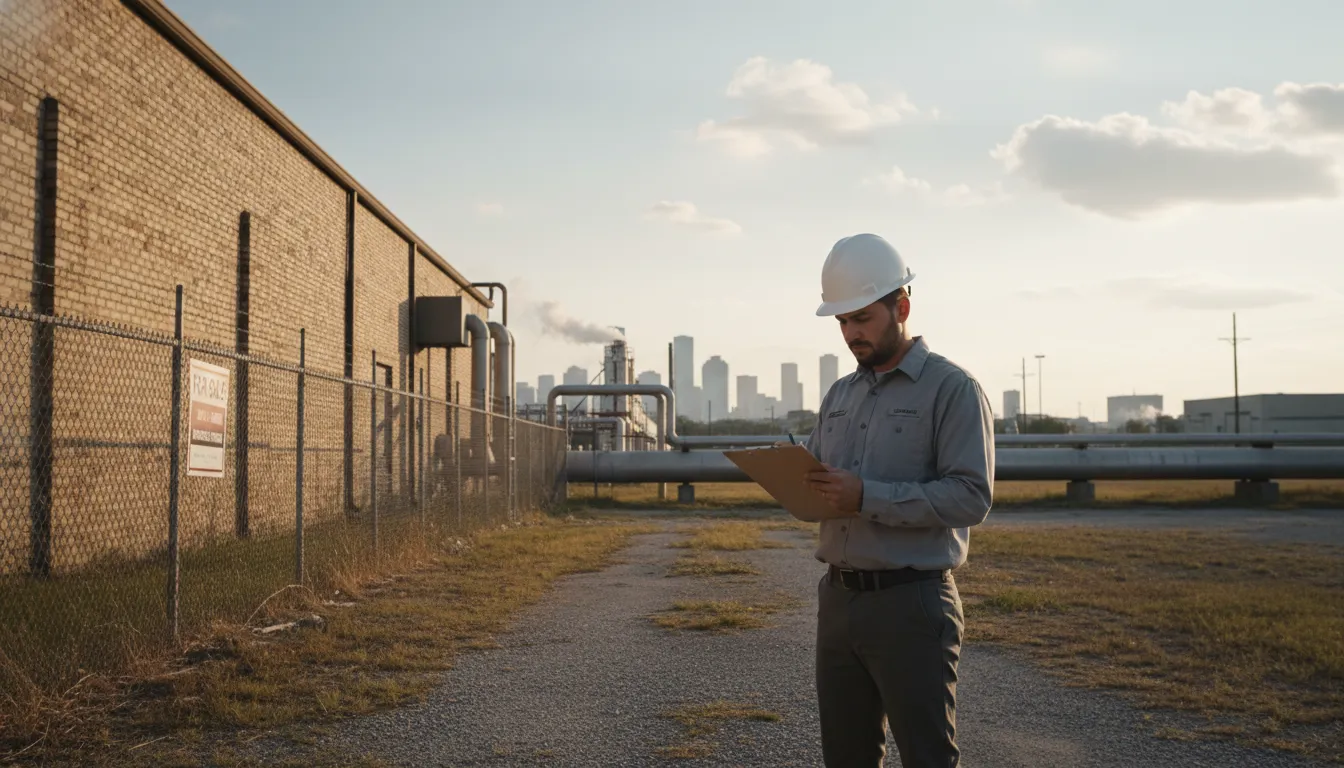
Before you close on a local property, ensure your investment is safe. You can contact our Texas office at (713) 714-0413 for a free consultation. Our local experts help you secure a fast, compliant assessment.
Houston property histories that raise environmental red flags
Projexiv evaluates Houston property history with local context because Houston is a major city with a complex commercial history. Because our region lacks traditional zoning laws, commercial and industrial uses often sit next to retail sites. This mixing means many local tracts carry hidden pollution risks from past activities. To protect yourself, you need a Phase 1 ESA in Houston before you buy.
Under federal law, environmental liability can be assigned based solely on property ownership. This means you could be held responsible for cleaning up old hazardous wastes on your land. According to the US Environmental Protection Agency, conducting an assessment provides vital liability protection for buyers under CERCLA rules.
Industrial corridors and rail tracts
Houston and Sugar Land feature extensive industrial corridors and busy shipping routes. Warehouses and factories have lined these pathways for decades. Rail-adjacent parcels are common. On these sites, heavy metals, coal ash, and solvents frequently dripped onto tracks and seeped into the soil.
When industrial properties change hands, historical reviews often reveal decades of chemical spills. Even simple storage warehouses might have housed hazardous chemicals or toxic materials. Rain can carry these toxins deep into the ground. A professional assessment is the best way to uncover these hidden problems before you close.
Service stations and dry cleaners
Retail properties like gas stations and auto repair shops pose major environmental risks. These operations use underground storage tanks to hold fuel and waste oil. Over time, metal tanks corrode. Corroded tanks leak chemicals directly into the water table. Auto repair shops also use solvents to clean metal parts, which can spill onto concrete floors and leak through cracks.
Dry cleaners are another common source of soil contamination. These shops rely on chlorinated solvents like perchloroethylene to clean fabrics. Even small drips sink through concrete. Once in the ground, they travel long distances. Because these chemicals do not break down easily, they can linger in the soil for decades.
Floodplains and drainage hazards
Houston and Sugar Land are famous for flat terrain and frequent heavy rains. Flood-prone properties face more than simple water damage. When floodwaters rise, they wash over industrial zones and carry chemical pollution onto clean land. Runoff often contains fuel, motor oil, and hazardous waste. This can ruin a clean site. If your site floods, you could inherit toxic silt that requires expensive cleanup.
Evaluating drainage pathways is an essential part of commercial property due diligence. A proper assessment looks for:
- Silt deposits from nearby factories
- Chemical runoff from commercial streets
- Spills from upstream industrial sites
- Corroded pipelines near local waterways
Local drainage patterns can bring pollutants from miles away. This makes site elevation a key risk factor. When you purchase real estate, do not rely on visual checks alone. Historical records and regulatory databases can reveal if your land sits in the path of past industrial runoff. Working with an experienced consultant helps you avoid buying a major liability.

What does a Phase I ESA report include?
A Phase 1 Environmental Site Assessment finds potential environmental contamination on a commercial property. The report follows the ASTM International Standard E1527-21, which is the national standard for reviews. This work is a vital part of commercial property due diligence.
Conducting a proper assessment provides CERCLA liability protection for buyers under federal law. To get this protection, your report must meet federal all appropriate inquiries standards. A qualified professional gathers the required details to compile a clear, lender-ready report.
Records review and historical research
An assessor starts by reviewing public and private historical records. This step helps the expert track how people used the land over several decades. They search through old city directories, historical fire insurance maps, and title deeds. This search looks back to the first developed use of the property or to 1940.
The report also includes a regulatory database review. This step is vital for a Phase 1 ESA in Houston because of the city’s heavy industrial history. The database search checks state and federal environmental files for nearby spills, leaking tanks, and chemical storage.
Site reconnaissance and interviews
Next, the investigator visits the property to perform site reconnaissance. They inspect the physical grounds, buildings, and adjacent lands for signs of environmental issues. The expert looks for storage drums, chemical stains, distressed plants, and odd odors. They also inspect potential fill pipes or electrical equipment that might contain PCBs.
Interviews with current and past owners, operators, and local officials are another key step. These conversations often show details that do not appear in written records. For example, a neighbor might remember a historic fuel tank or a small trash dump on the site. The investigator combines these stories with physical observations to form a clear picture.
Findings and recognized environmental conditions
The core of the report is the findings and conclusions section. Here, the assessor lists any recognized environmental conditions (RECs). An REC shows the presence or likely presence of hazardous substances or petroleum products on the property. The report will label each issue as a controlled, historical, or active REC.
If the assessor finds an REC, they will explain the potential risks in plain language. Lenders require these detailed findings before they will approve commercial loans in Harris County. A clear report helps all parties understand the risks and decide if they need further testing. This ensures the buyer meets local and federal requirements before closing.
A standard report package includes several key items in its appendix:
- A legal description of the property and its boundaries.
- Historical aerial photographs, maps, and city directories.
- Federal and state environmental database search reports.
- Photographs of the site during the physical inspection.
- Resumes and credentials of the environmental professionals.
How long does a Phase I ESA take in Houston?
Standard assessment timeframes
A standard Phase I environmental site assessment in the Houston area usually takes two to four weeks. This period allows researchers to pull historical records and inspect the property. But commercial real estate deals often move much faster. To keep your deal on schedule, Projexiv Environmental offers a reliable 10-day turnaround for a standard Phase 1 Environmental Site Assessment. This fast schedule helps you meet tight lender deadlines without risking your earnest money or delaying your closing date.
For buyers, knowing the environmental condition of a property is essential. The process checks for past oil leaks, chemical spills, and industrial waste. Starting early is the best way to avoid surprises. If you wait too long, a delayed report can stop your project before it starts. Fast and thorough reviews allow you to make smart business choices on time.
Factors affecting Houston schedules
Several local variables can affect the timeline of a Phase 1 ESA in Houston. First, physical site access can create delays. If a property has locked gates or active tenants, getting permission to inspect the site takes extra time. Second, pulling historical records can be slow. Houston has a vast industrial history with many active and closed facilities. Searching these old files takes diligent work. For instance, completing the Phase 1 ESA in Houston requires searching agency databases for past permits or spill reports.
Lenders also affect your schedule. Many banks need several days to review the final report before they approve a commercial loan. If the report shows hazards, you may need a Phase II study. This involves taking soil or water samples. That extra work adds weeks to your timeline. Finding these issues early gives you enough time to handle them before your deal expires.
Turnaround speed and risk comparison
Delaying your environmental review can expose you to major financial risks. Under the Comprehensive Environmental Response, Compensation, and Liability Act (CERCLA), property owners face strict liability for existing soil or water contamination. This means you could be forced to pay for cleanup even if you did not cause the pollution. Conducting an assessment according to the All Appropriate Inquiries standard protects buyers from these legal liabilities. Working with experts keeps your purchase safe.
Choosing the right assessment schedule depends on your transaction deadline. Our team offers a fast option to help you close deals on time. The table below compares a standard industry timeline with our expedited service.
| Service Option | Typical Duration | Database Access Speed | Best Use Case | Client Effort |
|---|---|---|---|---|
| Standard Industry ESA | 14 to 28 days | Standard public request queues | Flexible closing dates | High follow-up needed |
| Projexiv Expedited ESA | 10 business days | Direct regional database access | Tight lender deadlines | Minimal client effort |
To keep your Houston real estate deals on track, you should start your environmental review as early as possible. Our local experts can help you assess risks and complete your reports quickly. If you are ready to secure your property purchase, contact our Texas office at (713) 714-0413 for a free consultation.
What should buyers do before ordering a Phase I ESA?
Buying commercial real estate in Texas requires careful preparation to avoid liability. Before you hire an environmental consultant, you must take several steps. These quick actions save you time and keep your transaction on schedule. A thorough start ensures your commercial property due diligence is complete.
Required property and transaction details
Lenders and developers must work together to protect their investments. Under federal law, land buyers face strict liability for cleanup costs of past hazards. Obtaining a phase 1 environmental site assessment houston helps meet federal rules. This process is known as all appropriate inquiries, or AAI. To start, you should gather the physical details of the property. You can read more about these rules on the EPA all appropriate inquiries page.
Here is the practical checklist you should complete before you order your assessment:
- Gather address and parcel info. Collect the exact physical address, legal description, and county parcel numbers. These details help the assessor find historical records and map boundaries correctly.
- Share transaction timeline. Tell your consultant when you plan to close the deal. Projexiv offers a standard 10-day turnaround, which helps keep local deals moving forward without delay.
- Disclose known uses. Inform the assessor of any known historical activities, such as dry cleaning or auto repair. Sharing these details early prevents late surprises during the review.
- Confirm lender requirements. Ask your bank for their specific environmental guidelines before ordering the report. Different lenders have unique formats or scope demands that your consultant must follow.
- Arrange site access. Coordinate with the seller to allow the environmental professional onto the land. The site visit is a key step, and access delays will slow down your entire report.
- Review prior reports. Hand over any old environmental reviews, tank testing records, or geotechnical files to the assessor. Reviewing past data helps prevent duplicate field work and saves money.
Disclosures and access arrangements
Getting ready for the assessment also means talking to the site owner. You must ensure the field inspector can enter all buildings and fenced areas. If the inspector finds locked gates, they cannot complete the visit. This simple issue delays your report and increases your total costs. You can avoid these problems by setting up a visit time in advance.
A complete Phase I ESA protects you from risk. If you miss key documents, the assessment may not meet federal standards. To protect your investment, always start gathering your records early. If you need help preparing, you can contact our Texas office at (713) 714-0413 for a free consultation. Our team is ready to guide you through the process.
Preparing these materials also helps your consultant work much faster. Local experts who know the Houston market can quickly spot potential risks when they have the right files. By doing this homework first, you protect your earnest money and your timeline. It is the best way to start your commercial deal on the right foot.
When does a Houston ESA lead to Phase II testing?
A Phase I ESA does not collect soil or groundwater samples. It reviews the property, its records, and its history to decide whether contamination may be present. If the report finds a recognized environmental condition, the next step may be Phase II testing.
Recognized environmental conditions
A recognized environmental condition, often called an REC, points to the presence or likely presence of hazardous substances or petroleum products. It does not always prove contamination. It does show that the risk is strong enough to need more review.
Examples include a former gas station with missing tank closure records, a dry cleaner that operated on the site, or stained soil near a storage area. A nearby spill record may also matter if groundwater flow could affect the property. These findings help the buyer, lender, and seller decide what to do before closing.
Common Houston sampling triggers
Phase II testing is usually targeted. The consultant does not sample everywhere. They design the scope around the concern found in the Phase I report. At a former gas station, that may mean soil borings near old tank areas. At a former dry cleaner, it may mean soil vapor or groundwater review for solvents.
Industrial sites may require testing for metals, petroleum compounds, solvents, or other chemicals tied to the prior use. Flood-prone properties may need added review if debris, unknown fill, or off-site impacts are suspected. The goal is to answer a narrow question: is there a real environmental issue that could affect the transaction?
How Phase II results affect the deal
Phase II results can support better decisions. If samples do not show a concern, the buyer and lender may move forward with more confidence. If contamination is confirmed, the parties can discuss cleanup costs, price changes, escrow, insurance, or exit rights.
This is why timing matters. Waiting until the last week before closing leaves little room to respond. Starting the commercial property due diligence process early gives your team time to review findings and plan the next step.
Projexiv Environmental can help Houston and Sugar Land buyers move from Phase I findings to a practical next step. If testing is needed, the scope should match the specific risk, not a generic checklist.
How to choose a local ESA consultant in Houston
Buying commercial property in Harris County involves high risk because liability can fall on you as the owner. Even if you did not cause the contamination, you could face clean-up bills. To protect your investment, you must select the right professional for your Phase 1 Environmental Site Assessment. A skilled local expert will find past issues before you close, saving you from expensive cleanup costs.
ASTM and AAI compliance standards
Your consultant must know federal rules inside and out to protect your business. To get liability protection under CERCLA, your assessment must meet All Appropriate Inquiries rules. The standard practice for this is the ASTM E1527-21 standard, which federal agencies accept for due diligence. If your consultant does not follow these exact steps, your liability protection could be void.
Qualified environmental professionals must perform complete site visits and interviews to meet the rule. This careful work is vital for anyone doing commercial property due diligence in Texas. Choosing a firm that understands federal standards helps you avoid strict liability and severe penalties. It also ensures that your lender gets a high-quality report that meets their underwriting rules.
Local site history knowledge
Houston has a long history of heavy industry, oil refining, and chemical manufacturing. This local context means that land in the Houston and Sugar Land areas often has complex issues. A national firm might miss local details, but a local consultant knows where to look. They understand regional geology and know which historic and local agency databases to check.
An expert must examine many records to find hidden environmental hazards on a property. A local consultant will check several key sources during their investigation of local site history. These checks help identify past uses that could have polluted the soil or water.
- Historical aerial photographs of the Houston area to spot past land uses.
- City directories and local fire insurance maps showing previous businesses.
- State records from the Texas Commission on Environmental Quality regarding nearby cleanups.
- Interviews with current and past owners to find hidden environmental concerns.
A local firm will spot risks that others might overlook. For example, a hidden dry cleaner or an old gas station can leave behind deep soil pollution. A good local expert knows the history of the Texas Gulf Coast. They will use this local knowledge to give you a clear picture of any hidden liabilities.
Report turnaround and lender approvals
Time is a major factor in commercial real estate deals where you cannot afford to wait weeks. A slow assessment can delay your closing or even ruin your transaction entirely. Look for a consultant who can deliver a reliable Phase 1 ESA in Houston quickly. Many top firms offer a 10-day turnaround to keep your deal on schedule while maintaining high quality.
Your lender must also approve the final report. Most banks have strict rules for environmental audits before they will approve a commercial loan. A qualified consultant will write reports that meet these lender requirements. If you need help with your commercial property in Texas, call our Houston office at (713) 714-0413 for a free consultation.
Frequently Asked Questions
How much does a Phase 1 environmental assessment cost in Houston?
Standard commercial property assessments in the region generally range from $2,000 to $5,000. Because of historical industrial hazards along the Gulf Coast, local pricing reflects a premium over the national average. The actual cost depends on property size, past land uses, and the depth of records required for compliant commercial property due diligence.
Who is qualified to conduct a Phase 1 environmental site assessment in Houston?
An experienced environmental professional must perform the assessment to ensure validity. To secure reliable liability protection, search for firms with locally focused expertise in Harris County. Industry leaders recommend hiring a specialist with at least 10 years of experience to conduct your environmental site assessment. This level of expertise prevents expensive delays during transactions.
How does a Phase 1 environmental report protect you under CERCLA?
Under federal law, commercial buyers face strict liability for existing property contamination regardless of who caused the issue. However, completing a compliant assessment before closing provides essential liability protection. According to the EPA, conducting all appropriate inquiries allows buyers to qualify for defenses like the innocent landowner status.
What happens if a Houston Phase 1 environmental site assessment finds contamination?
If the study identifies a recognized environmental condition, you will likely need to perform a Phase II assessment. This next step involves collecting physical soil, soil gas, or groundwater samples to confirm the presence of hazardous materials. Having these results allows you to negotiate cleanup costs or walk away from the transaction.
Ready to Schedule Your Phase I Environmental Site Assessment?
Delaying your Phase I environmental site assessment before closing your transaction can easily lead to expensive deal delays and unexpected environmental liability. Starting this critical due diligence process today gives you the necessary time to identify potential environmental contamination concerns before your closing deadline. Our specialists deliver fully compliant ASTM reports through our environmental consulting services with a rapid ten-day turnaround to prevent unexpected commercial transaction bottlenecks.
Are you ready to protect your commercial real estate transaction from expensive deal delays? Our experienced, local Texas team of environmental consulting specialists is ready to assist your business today. Call (713) 714-0413 to schedule a free consultation before closing on your commercial property deal.
