
A manufacturing facility can look organized on the production floor and still be exposed during an environmental audit. One expired permit, one missing inspection log, or one unlabeled waste container can turn a routine review into a costly scramble. For EHS managers in Texas and Alabama, the practical question is not whether compliance matters. It is whether the records, plans, and field conditions are ready when a regulator, lender, customer, or internal leadership team asks for proof.
Request a compliance review from Projexiv Environmental if your facility needs a practical environmental compliance audit checklist before an inspection, permit renewal, expansion, or management review.
An environmental compliance audit checklist helps manufacturing teams verify permits, air records, stormwater controls, waste handling, inspections, training, and corrective actions before an outside review. The checklist should connect each legal requirement to a responsible owner, current record, field condition, and due date.
This guide focuses on checklist intent, not audit frequency. Use it to build an operational review that works for a plant, warehouse, fabrication shop, chemical process area, or light industrial site. It also separates compliance audits from Environmental Site Assessments, which serve a different due diligence purpose.
Environmental compliance audit checklist for manufacturing facilities
A manufacturing checklist should cover air, stormwater, waste, permits, records, training, inspections, and corrective actions. Each item should name the rule or permit condition, the record needed, the person responsible, and the field condition that confirms compliance.
A useful environmental compliance audit checklist is not a generic form. It should reflect the equipment, materials, permits, waste streams, and stormwater exposure at your facility. A metal fabricator with paint booths has different air and waste risks than a food processor with wastewater concerns or a warehouse with outdoor chemical storage.
Start with a master inventory. List every process that can affect air, water, waste, soil, or reporting obligations. Include boilers, heaters, paint lines, parts washers, tanks, loading docks, outdoor storage areas, maintenance shops, laboratories, wastewater pretreatment units, storm drains, outfalls, waste accumulation areas, and emergency response equipment. Then connect each item to a permit, plan, rule, inspection log, or training record.
Core checklist categories
- Air permits: emission sources, permit limits, control devices, stack tests, maintenance logs, and reporting deadlines.
- Stormwater: SWPPP, site maps, best management practices, inspection forms, sampling records, and corrective actions.
- Waste: waste determinations, container labels, accumulation areas, manifests, universal waste, used oil, and vendor records.
- Records: permits, plans, reports, training, inspection logs, agency correspondence, and prior findings.
- Corrective actions: root cause, owner, due date, completion evidence, and management signoff.
Projexiv Environmental provides environmental compliance audit services for facilities that need a multimedia review across soil, air, water, waste, and records. The goal is practical risk reduction, not paperwork for its own sake.
How this differs from an ESA
A compliance audit reviews current operations. It asks whether today’s facility is meeting current regulatory duties. An Environmental Site Assessment, by contrast, is usually tied to a property transaction and looks for historical contamination risk. If your leadership is deciding whether daily operations are inspection-ready, you need a compliance audit. If a buyer, lender, or attorney is evaluating a property before a transaction, they may need a Phase I ESA or related due diligence report.
| Review type | Main purpose | Common audience | Typical focus |
|---|---|---|---|
| Compliance audit. | Check current regulatory compliance. | EHS, HSE, operations, plant leadership. | Air, stormwater, waste, permits, training, records. |
| Environmental Site Assessment. | Evaluate property contamination risk. | Buyers, lenders, brokers, developers, attorneys. | Historical use, recognized environmental conditions, transaction risk. |
How should managers prepare before an environmental audit?
Managers should prepare by defining the audit scope, collecting permits and plans, assigning record owners, walking high-risk areas, checking open findings, and confirming that field conditions match written procedures before the audit starts.
Good preparation starts before anyone opens a binder. A manufacturing audit moves faster when the facility defines the scope, confirms the operating areas in review, and gives each department a clear role. EHS may lead the process, but maintenance, production, shipping, purchasing, safety, and operations usually hold records that affect compliance.
For example, maintenance may hold control-device service records. Shipping may control hazardous waste manifests or bills of lading. Operations may know when a process changed, a line moved, or a raw material was replaced. Purchasing may know which solvents, coatings, oils, batteries, and chemicals are entering the site. If those teams are not included, the checklist can miss the facts that matter.
Six preparation steps
- Define the scope: Decide whether the audit covers the whole facility or a focused area such as air, stormwater, or waste.
- Build a permit register: List each permit, authorization, plan, registration, report, renewal date, and responsible owner.
- Collect records early: Pull inspection logs, monitoring reports, training records, manifests, sampling results, and agency correspondence.
- Walk the site first: Compare the written checklist against actual drains, tanks, vents, storage areas, and waste containers.
- Review prior findings: Confirm that old audit findings, notices, spills, and corrective actions are closed with evidence.
- Schedule interviews: Talk with staff who operate processes, handle waste, inspect stormwater controls, and maintain equipment.
Contact Projexiv Environmental to review your facility scope, records list, and compliance priorities before the audit date.
A manager should also decide how findings will be graded. Some facilities use high, medium, and low priority. Others separate regulatory risk, operational risk, and documentation gaps. The scoring system matters because it determines where leadership spends time and budget after the audit.

What air quality records belong on the checklist?
Air records should include permit authorizations, emission source lists, control-device logs, operating hours, fuel or material usage, maintenance records, stack test results, deviation reports, and submittal deadlines tied to each permit condition.
Air quality compliance is often where manufacturing teams need the most facility-specific detail. The checklist should not simply ask, “Do we have an air permit?” It should identify each emission source and the authorization that covers it. It should also name the operating limit and the record that proves the limit was met.
Common sources include boilers, heaters, ovens, paint booths, coating lines, baghouses, tanks, process vents, dust collectors, emergency engines, abrasive blasting areas, and solvent cleaning operations. A change in production rate, material formulation, operating hours, or control equipment can affect permit applicability. That is why the audit should include interviews with operations and maintenance, not just a records review.
Air checklist items
- Emission source inventory: Confirm that equipment on the floor matches the current permit or authorization.
- Permit limits: Review throughput, hours, emissions, fuel use, material usage, and control requirements.
- Control equipment: Check pressure drop logs, filter changes, inspections, calibrations, repairs, and downtime.
- Testing and reporting: Confirm stack tests, emissions inventories, deviation reports, and agency submittals are complete.
- Change management: Review new equipment, process changes, raw material changes, or production expansions.
Projexiv’s air quality compliance services include New Source Review assistance, Permit by Rule registration, standard permits, amendments, renewals, NOV response, compliance auditing, emission event reporting, visual emissions monitoring, and air emission inventory reporting.
Texas facilities should pay close attention to TCEQ authorizations, permit-by-rule conditions, recordkeeping triggers, emission events, and renewal dates. Alabama facilities should review ADEM permit conditions, reports, monitoring records, and any state-specific submittal requirements. Avoid treating one state’s process as a template for the other without confirming the actual permit language.
How do stormwater and SWPPP controls get audited?
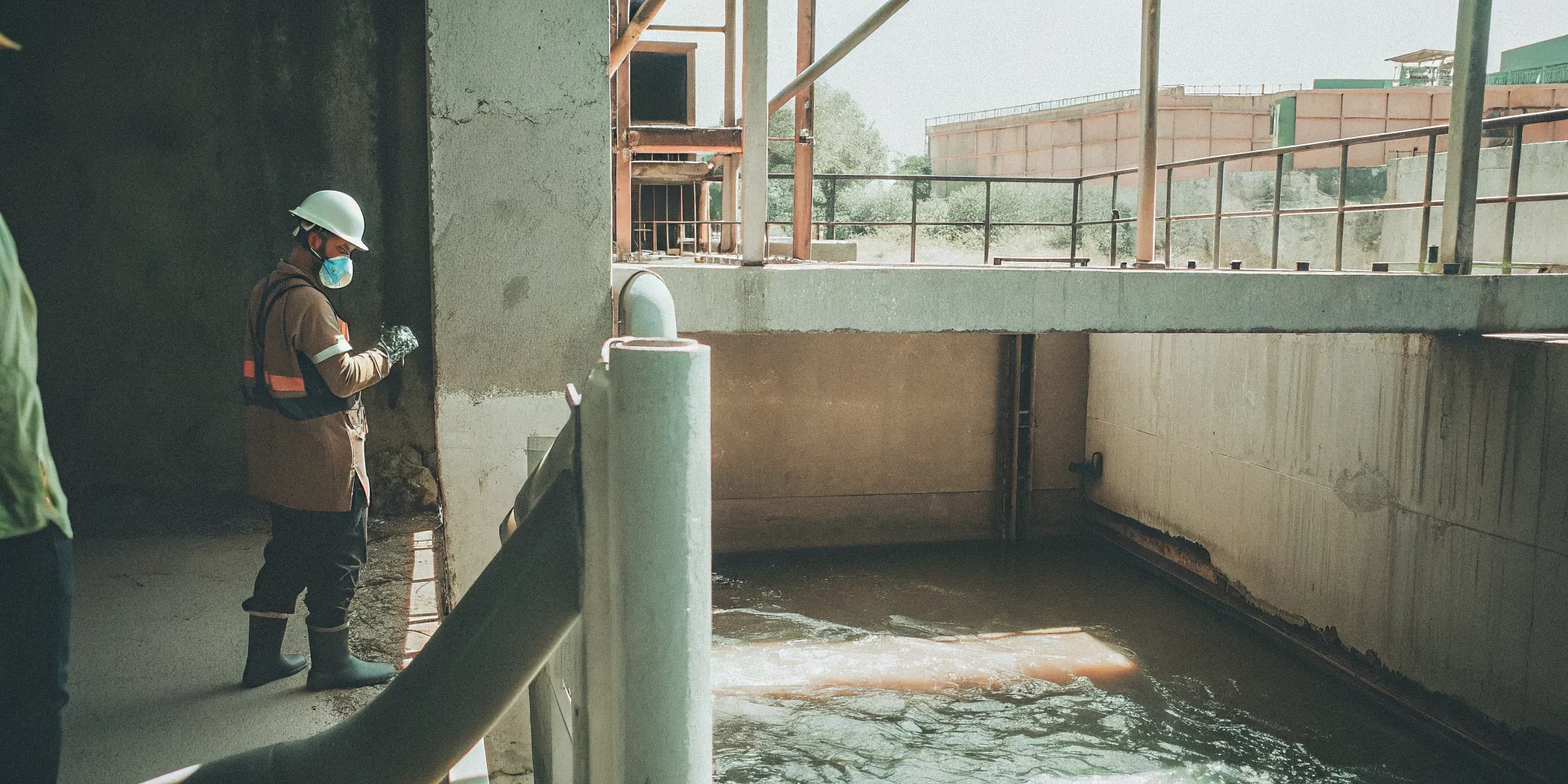
Stormwater audits compare the written SWPPP with actual site conditions. The review should verify drainage maps, outfalls, exposed materials, BMPs, inspections, sampling, employee training, spill response, and documentation of corrective actions.
Stormwater compliance depends on what happens outside, not only what is written in the plan. A SWPPP may look complete in the office while outdoor storage, loading areas, scrap piles, drum storage, or vehicle maintenance areas create exposure that is not reflected on the site map. The audit should connect the plan to the physical site.
Begin with the map. Confirm that drainage patterns, outfalls, receiving waters, material storage areas, process areas, dumpsters, spill kits, secondary containment, and loading zones are accurate. Then compare the map with the inspection route used by employees. If staff inspect only the front yard while runoff risks sit behind the building, the checklist needs to be corrected.
Stormwater and SWPPP checklist items
- SWPPP status: Confirm the plan is current, signed where required, and available to responsible staff.
- Site map accuracy: Verify outfalls, drainage flow, exposed materials, storage areas, and control measures.
- BMP condition: Inspect berms, covers, inlet protection, housekeeping, spill kits, sediment controls, and containment.
- Inspection records: Review inspection frequency, findings, weather conditions, and follow-up documentation.
- Sampling records: Check benchmark monitoring, visual monitoring, lab reports, exceedances, and corrective actions.
Projexiv supports stormwater and SWPPP compliance, including SWPPP development, NOI and NOT preparation, inspections, reporting, training, sampling, annual updates, and agency audit support. For Texas facilities, the Multi-Sector General Permit TXR050000 may be relevant depending on operations and exposure.
What waste compliance items should manufacturing teams review?
Waste checklist items should cover waste determinations, generator status, container labeling, accumulation time limits, inspections, manifests, universal waste, used oil, training, vendor records, emergency equipment, and documentation from cradle to grave.
Waste compliance is a daily operating discipline. A facility may generate hazardous waste, non-hazardous industrial waste, used oil, universal waste, scrap metal, spent filters, wastewater treatment sludge, absorbents, batteries, lamps, aerosols, or solvent-contaminated wipes. Each stream needs a documented determination and a management practice that matches the rules.
The first audit question is simple: does the facility know what waste it generates? The second is more difficult: can the facility prove how each waste stream is classified, stored, labeled, accumulated, shipped, and closed out? If the answer depends on one person’s memory, the checklist is not strong enough.
Waste checklist items
- Waste determinations: Keep profiles, analytical results, SDS information, process knowledge, and classification decisions.
- Generator category: Confirm current status and whether production changes affected generator obligations.
- Container management: Check labels, lids, dates, compatibility, condition, secondary containment, and aisle space.
- Accumulation areas: Inspect satellite areas and central accumulation areas for time limits and posting requirements.
- Shipping records: Review manifests, land disposal restriction notices, bills of lading, receipts, and vendor approvals.
- Training: Confirm that employees handling waste understand labeling, storage, emergency response, and spill reporting.
Projexiv’s waste compliance services include universal waste management, waste minimization programs, monitoring, recordkeeping, reporting, permitting assistance, training, targeted compliance evaluations, waste determinations, and hazardous waste generator guidance for LQGs, SQGs, and VSQGs.
Get help from Projexiv Environmental if your team needs waste determinations, container checks, recordkeeping review, or corrective action support before an inspection.
Which permits, plans, and records prove audit readiness?
Audit-ready records include active permits, SWPPP, SPCC or spill plans where applicable, waste profiles, manifests, inspection logs, monitoring results, training records, agency correspondence, reports, and a current corrective action tracker.
Documentation should be organized around the way the facility operates. A binder labeled “environmental” is not enough if it mixes expired permits, old reports, missing logs, and unrelated training sheets. The audit file should make it easy to trace each requirement from the rule or permit condition to the responsible owner and the latest evidence.
A permit register is one of the most useful tools for manufacturing managers. It should include the permit name, agency, permit number, affected process, effective date, expiration date, renewal deadline, reporting schedule, responsible owner, and backup owner. Add links or file locations for supporting records so the audit team can find evidence quickly.
Recordkeeping checklist
- Permit register: Air, stormwater, wastewater, waste, tanks, spill plans, and local operating approvals.
- Inspection files: Internal inspections, third-party audits, agency inspections, and follow-up records.
- Monitoring files: Sampling results, equipment readings, calibration records, lab reports, and trend notes.
- Training files: Employee names, course topics, dates, refreshers, sign-in sheets, and role-specific requirements.
- Agency files: Notices, submittals, enforcement correspondence, responses, approvals, and closure letters.
Texas sites should also decide whether a planned audit may involve protections or procedures under Texas environmental audit laws. That decision should be made carefully and before the audit begins. Alabama facilities should confirm ADEM expectations for permits, reports, and corrective actions that apply to the specific operation. This article is a planning guide, not legal advice, and facilities should rely on their actual permits and qualified advisors for site-specific determinations.
Manufacturing teams that need a broader compliance framework can use Projexiv’s environmental compliance plan support to organize requirements, responsibilities, and procedures across departments.
How should corrective actions be tracked after the audit?
Corrective actions should be tracked with the finding, risk level, root cause, responsible owner, due date, interim controls, completion evidence, verification date, and management signoff. A finding is not closed until the fix is documented.
An audit creates value only when findings are corrected. A common mistake is to produce a detailed report, discuss it once, and then let the corrective action list disappear into email. Manufacturing facilities need a controlled tracker that leadership reviews until each item is closed.
Each finding should include enough detail for a supervisor who was not present during the audit to understand the issue. Avoid vague entries such as “fix waste area” or “update SWPPP.” Better entries identify the location, condition, requirement, risk, and evidence needed for closure.
Corrective action tracker fields
- Finding: Clear description of the issue and the affected process, area, or record.
- Requirement: Permit condition, plan requirement, procedure, or regulatory topic connected to the finding.
- Priority: High, medium, or low risk based on potential impact and urgency.
- Owner: One accountable person, not a department name only.
- Due date: Realistic completion date with interim controls where needed.
- Evidence: Photo, revised procedure, completed log, training record, repair invoice, or agency response.
Corrective actions should also feed back into training and procedures. If a waste container was unlabeled because staff did not know the label rule, a label fix alone is not enough. The stronger fix is a label procedure, employee refresher, supervisor check, and follow-up inspection. That approach helps prevent the same finding from returning next quarter.
How can Texas and Alabama facilities use the checklist without overclaiming compliance?
Use the checklist as an internal control tool, not a guarantee. It can help identify gaps, organize records, and prepare teams, but actual compliance depends on current permits, site conditions, operations, agency rules, and timely corrective action.
An environmental compliance audit checklist should reduce uncertainty, but it should not promise certainty. Environmental duties depend on the facility, the material used, the process design, the permit language, and the state program involved. A checklist that works for one facility may miss a key requirement at another.
That is why manufacturing teams should treat the checklist as a structured starting point. The best version is tailored after a facility walk-through, permit review, records review, and interviews with people who run the site. It should also be updated after process changes, new equipment, permit renewals, enforcement actions, spills, customer requirements, or management changes.
Projexiv Environmental is based in Houston, Texas, and Mobile, Alabama. The firm helps businesses and industrial facilities with affordable, tailored environmental consulting services for compliance management, audits, stormwater, air quality, waste, plans, and reports. For manufacturing leaders, the practical benefit is a clearer path from regulatory obligations to daily operating tasks.
Related Projexiv resources include environmental compliance audit frequency, compliance audit versus Environmental Site Assessment, environmental compliance audit consulting, air quality compliance, stormwater compliance, and waste compliance.
Frequently Asked Questions
What is included in an environmental compliance audit checklist?
An environmental compliance audit checklist usually includes permits, plans, air records, stormwater controls, waste determinations, container inspections, training, reports, agency correspondence, and corrective actions. A manufacturing checklist should also include equipment lists, process changes, outdoor exposure areas, chemical storage, and department owners.
How often should a manufacturing facility conduct an environmental compliance audit?
Many facilities conduct a formal audit annually and focused checks monthly or quarterly. The right schedule depends on permit conditions, production changes, waste generation, stormwater exposure, prior findings, and management risk tolerance. A site with recent changes or enforcement history may need more frequent review.
Who should own the checklist?
The EHS or HSE manager usually owns the checklist, but ownership should not stop there. Operations, maintenance, safety, shipping, purchasing, and plant leadership should each own the records and field conditions that fall under their control.
Can Projexiv Environmental help with audit preparation in Texas or Alabama?
Yes. Projexiv Environmental supports manufacturing and industrial facilities in Texas and Alabama with multimedia environmental compliance audits, air quality compliance, stormwater and SWPPP compliance, waste compliance, environmental compliance plans, and corrective action support.
Ready to review your manufacturing compliance checklist?
If your facility is preparing for an inspection, permit renewal, expansion, customer audit, or internal management review, Projexiv Environmental can help turn a generic checklist into a site-specific compliance tool. The team reviews air, stormwater, waste, records, permits, and corrective actions so managers know what needs attention before the audit becomes urgent.
Contact Projexiv Environmental to request a compliance review, call (713) 714-0413, or visit the contact page to discuss your Texas or Alabama facility.